How can you change your eating habits and eat better?
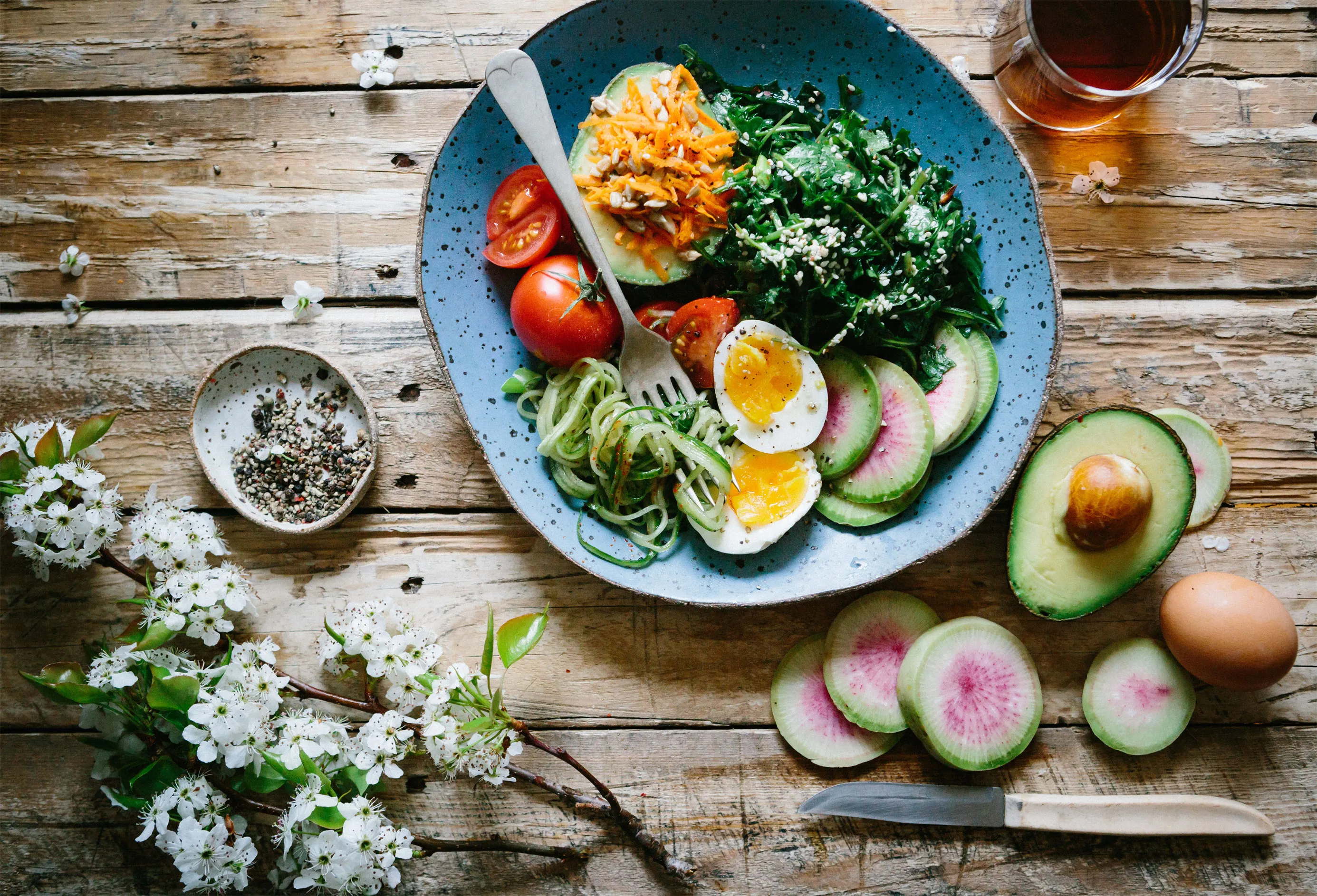
Eating well has become the mantra of hundreds of millions of people who want to change their eating habits and eat better
Our tips for eating well
Science no longer doubts the link between “good” nutrition and “good” health. Eating well has become the mantra of hundreds of millions of people who want to improve their health, change their shape or simply rethink their eating habits. Here are 5 tips you really should follow to eat “better”.
Tip 1: Choose natural foods over ultra-processed products
Industrially produced foods are taking over our plates, and they are a hard-to-control source of sugar, sodium, additives, artificial flavourings, flavour enhancers and toxic substances.
Doctors all agree that half of what we eat should come from plants. Fruit and vegetables, whether raw, dried, cooked or fermented, provide the body with fibre and regulate blood sugar and cholesterol levels. They meet the needs of human digestive physiology and the gut microbiota, and encourage the growth of the micro-organisms in the digestive system (archaea, bacteria, fungi) that are responsible for synthesising vitamins.
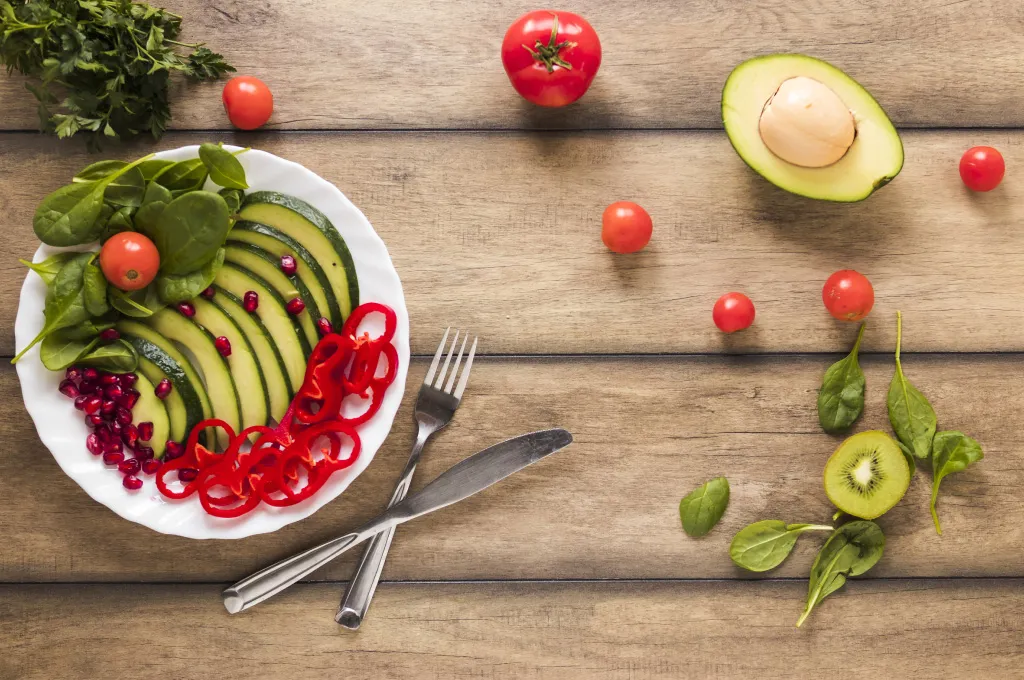
Choosing raw vegetables and home-cooked dishes over industrial meals, stripped of their character by the way they are made, makes it easier to rediscover the true taste of food. Chewing raw foods that are low in fat, salt and sugar quickly triggers the feeling of fullness and significantly reduces digestive problems.
Tip 2: Keep an eye on the balance of fats in your diet
Not all the fats in our food are alike. Some act on the body as anti-inflammatories, others regulate how freely the blood flows, while others affect our mood. It is therefore essential to keep a balance between saturated fats (bad) and monounsaturated and polyunsaturated omega-6 and omega-3 fats (good), by favouring fish, nuts, avocado, seeds and vegetable oils while avoiding fried food, pastries and cured meats.
It is important to choose foods with a low calorie density, such as soups, salads and fruit. You feel full quickly, while your body has taken in only a few calories.
Nutrient-dense foods are also well worth choosing, such as berries, dried fruit and spinach, because they give the body the micronutrients it needs to work properly while supplying relatively few calories.
Tip 3: Drink plenty of water
It is recommended that you drink 1 to 1.5 litres of water a day, on top of what you drink at mealtimes and any coffee, tea or herbal infusions. Dehydration, which you must avoid at all costs, reduces physical and mental performance, makes constipation worse and raises blood pressure.
But which water is best for the body? Spring water, without a doubt: it is rich in minerals and ideal for hydration, though bottled water, preferably mineral water, is just as suitable. Glass bottles are nevertheless the better choice, as they contain no harmful chemicals and are less polluting than plastic containers. Finally, tap water is not particularly bad for your health, but it should be filtered for the best results.
In short, water is a source of vitality that adds to the feeling of fullness in the stomach, and no other substance can replace it.
Tip 4: Eat fresh, local and seasonal produce
Beyond the environmental arguments, eating local, organically grown produce, lightly dressed with cold-pressed virgin oils (olive, sunflower, rapeseed, sesame, grapeseed and so on) and cider vinegar, or naturally sweetened with honey, pollen and raisins, are habits worth building into everyday life.

A balanced (and responsible) diet should therefore make food supplements (vitamins and mineral salts) unnecessary, except for people with chronic deficiencies or pregnant women, who need vitamin B9 for the healthy development of the foetus.
Tip 5: Keep your alcohol intake in check
Moderate, regular drinking reduces the risk of heart disease and cerebrovascular disease, since alcohol itself (and not the other ingredients in drinks) raises levels of good cholesterol, reduces the build-up of atheromatous plaque in the blood vessels and thins the blood so that it circulates more easily.
A little alcohol is good for your health, but drinking without restraint increases your chances of developing heart disease.
The risks of drinking too much therefore far outweigh the benefits: on top of heart and vascular complications come various forms of cancer, liver disease, type 2 diabetes and cognitive problems.
In short, the secret of good health lies in moderation.
Recent articles
Keep reading

How can you face old age with peace of mind?

How can you feel good in body and mind?