How can you face old age with peace of mind?

Our tips for ageing well
After a long working life, many older people decide to move into a care home so they can benefit from round-the-clock supervision and ongoing medical care, in very pleasant surroundings. But choosing a home for older people is one of life’s most important decisions, just like retirement planning and health insurance. Here is a series of tips to help you meet the challenges of later life calmly.
Tip 1: Choose your care home carefully
A residence for older people must, above all, offer a pleasant setting and facilities suited to each resident’s needs, along with a skilled team who are always ready to listen. After that come choices driven by personal preference, such as the quality of the food, the décor, the entertainment and activities on offer, whether you can keep your pet, the credentials of the management team, and the views of loved ones and professionals (your GP and social workers).
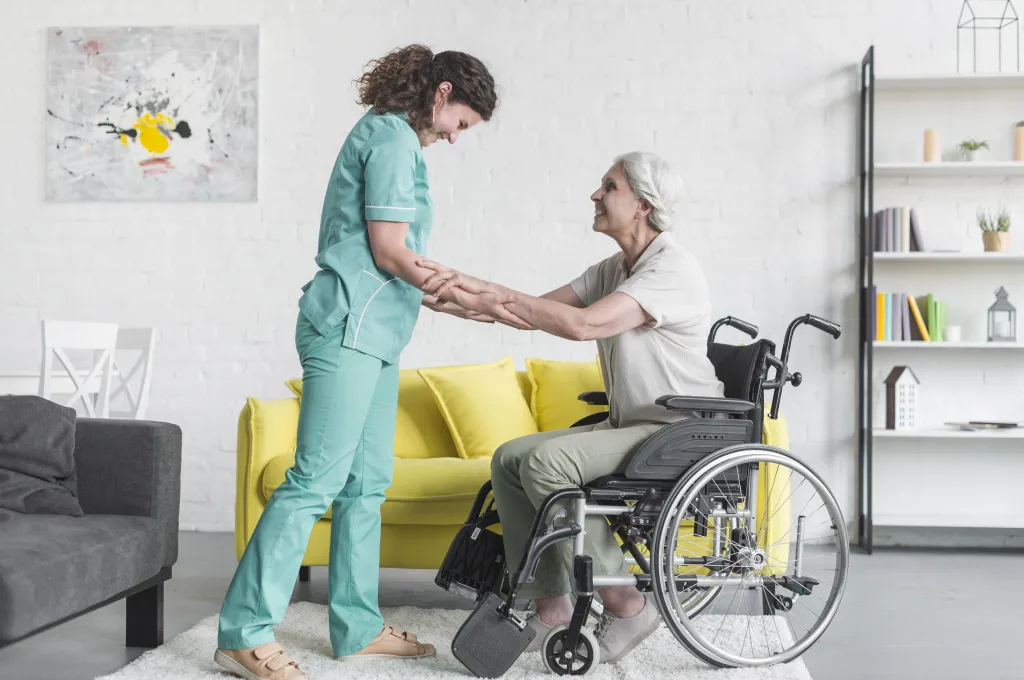
All in all, it is a good idea to visit the care home once or several times and to talk to the manager, without hesitating to ask about the home’s internal policies, the freedom residents enjoy and even the staff turnover rate.
Then simply answer these few questions to make the right decision:
- What type of care home do I need: an independent-living residence (résidence-autonomie)? A serviced residence (résidence service)? A nursing home for dependent older people (EHPAD)? A long-term care unit (USLD)?
- Does the care home’s location suit me? Is it close to my old home or to my children? Is parking easy? Is there quick access to public transport?
- Is the home approved for the personalised housing benefit (APL, Aide personnalisée au logement)? If not, you can still claim the social housing allowance (ALS, Allocation de logement sociale), which is generally a smaller amount.
In short, whatever you do, don’t rush: take the time to compare the features of each care home on your shortlist and trust your instincts.
Tip 2: Build up a supplementary pension
Rising unemployment and the high cost of living are putting pressure on the pension system and forcing workers to prepare for retirement 10 to 15 years in advance if they want to end their working lives with peace of mind.
To do this, the first steps are to increase your capital and drastically cut “non-essential” spending. That means buying back any missing quarters of contributions and increasing the amount you pay in each month. Many couples, on reaching their fifties, treat themselves to luxuries such as an expensive car or a cruise after decades of hard work and going without. But decisions like these are simply financially irresponsible.
Increasing your capital and drastically cutting your spending are the first steps to take.
Ideally, a future retiree should invest their savings in assets such as a second home to let out, or in investments that generate a life annuity, and cut their spending to the bare minimum, even if that means selling a house that is too big (and costly in energy bills, upkeep and tax) and moving to a region where the cost of living is lower.
Finally, taking out good health insurance is essential to cover life’s unexpected events and protect your savings as much as possible.
Tip 3: Prepare yourself mentally for retirement
The move from working life to retirement marks the start of a new phase of life, one you first need to anticipate before you can accept it. Retirement can, of course, mean boredom, a sense of uselessness and less spending power, but it is also the opportunity to have plenty of free time to devote to your family and to your passions, such as gardening, DIY or sport.

It is therefore essential to work out what retirement means to you and to grasp what that involves. It is also a good idea to list its drawbacks and advantages, and to build on the latter by setting yourself a life plan.
Your partner, a retirement coach or a therapist can be a great help as you prepare for this transition. It is also worth reading at least one book on the subject.
Recent articles