How can you look after your health without breaking the bank?

Our tips for looking after your health
If you want to stay in good health and improve it, everything starts with prevention: eating a balanced diet, exercising, sleeping properly… But a few good habits, easy to adopt, help you maintain that good health and cope with life’s everyday niggles. We have summed them up in these 3 tips.
Tip 1: Respect the “Diet - Exercise - Sleep” trio
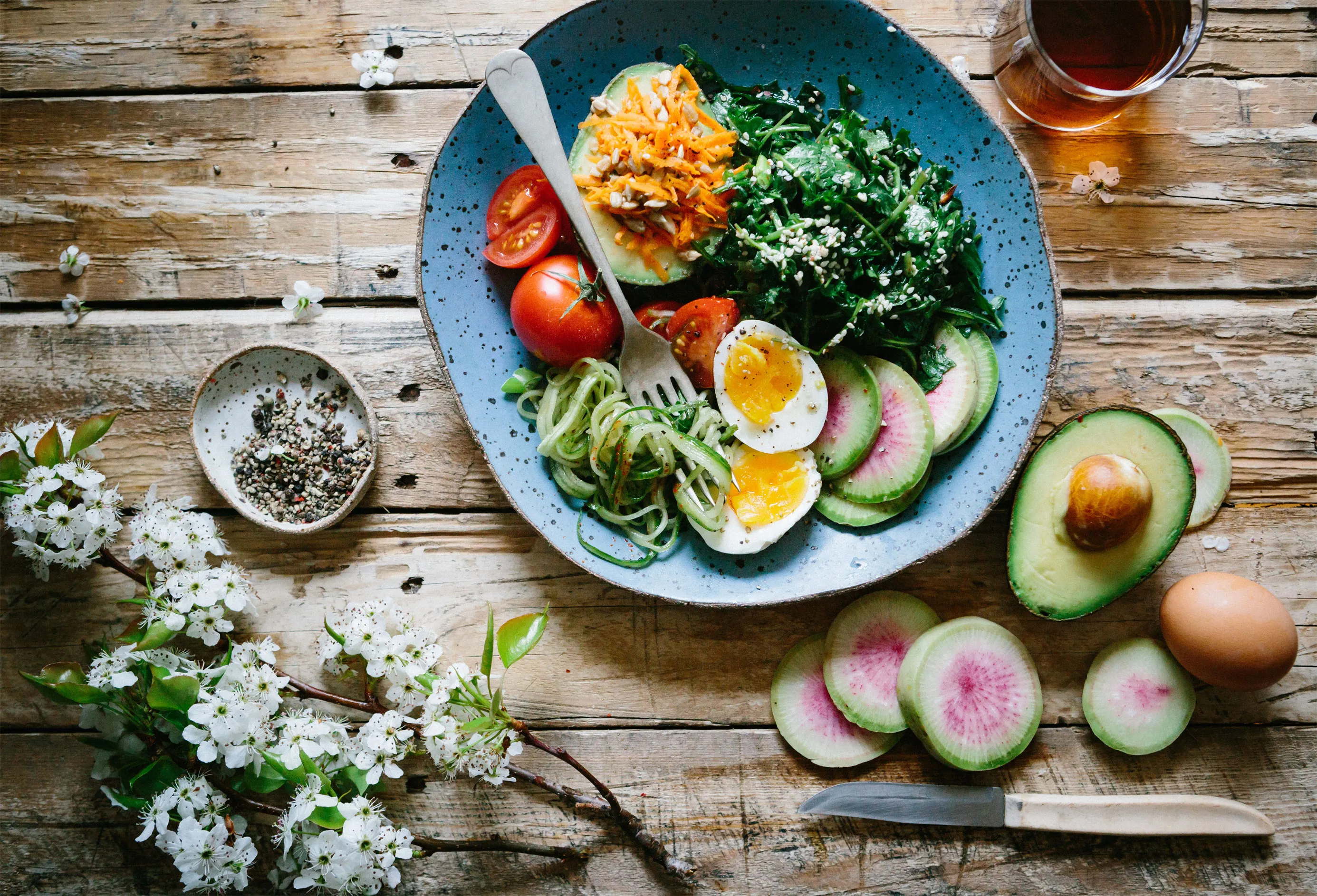
There is no longer any need to prove that a balanced diet, rich in fibre, water and plant foods, and low in sugar, fat and processed foods, is the key to robust health.
Someone who regularly does some form of sport, even light but regular, significantly reduces the risk of medical complications and boosts their immune system, while building muscle at the expense of fat.

Finally, full nights of sleep in the right conditions (no light or noise, a comfortable bed and the ideal bedroom temperature) allow the body to heal itself and switch on its powers of regeneration and recovery.
Tip 2: Take charge of your health
You can drastically reduce the number of visits to the doctor and keep illness at bay for the long term by taking back control of your body and your emotions. For example, laugh a lot: it helps your body digest better, fight insomnia, inflammation and pain, stimulates the immune system and improves your mood overall.
Laughter releases endorphins, the happiness hormones, whether it comes naturally or is brought on deliberately.
Practising cardiac coherence, a breathing exercise in which you breathe in and out 6 times a minute for 3 to 5 minutes, reduces stress and the risk of diabetes, improves sleep and immunity, and regulates hormones and weight.
All in all, a healthy lifestyle and a degree of discipline are the first steps towards effective, risk-free self-care.
Tip 3: Give complementary medicine a try
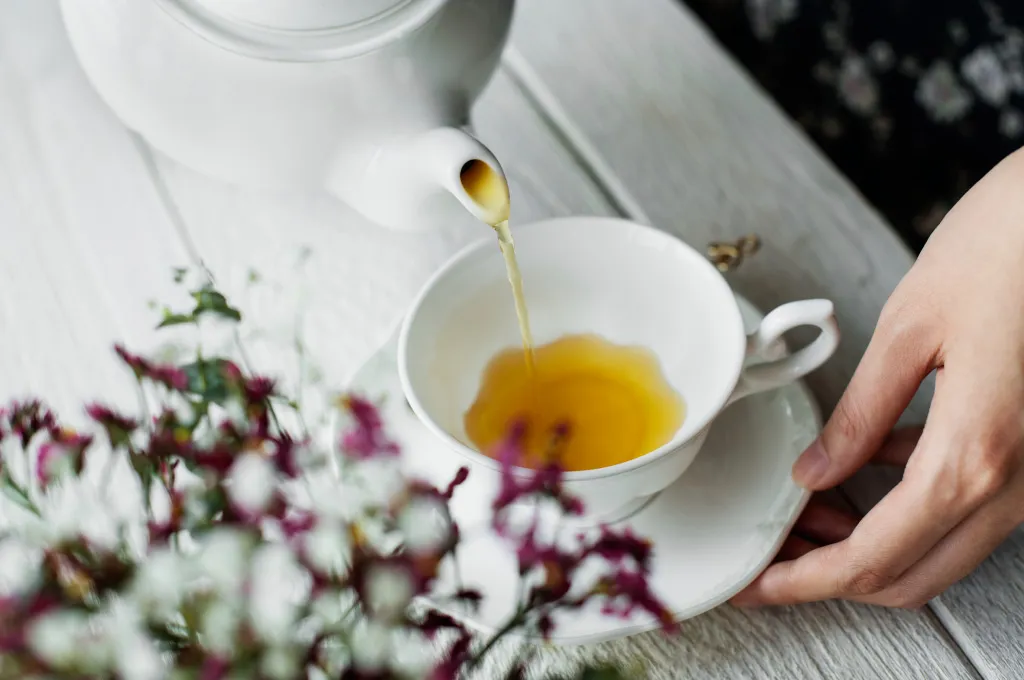
Herbal medicine is enjoying renewed trust, and grandmother’s remedies are back in fashion. Feverfew is used for migraines and sore throats, thyme tea for coughs and eucalyptus for colds. The list of remedies is as long as the list of ailments they treat.
And if treating yourself with plants is no longer enough, try sophrology, relaxing your body to activate your mind. Sophrologists support their patients in effectively fighting stress, coping with the changes of adolescence and the challenges of old age, easing chronic pain and improving sleep.
Magnetic healers and hypnotherapists, for their part, are the big winners of this new interest in alternative treatments. People turn to them for practices that complement “traditional” treatments and therapies, and for their complete absence of contraindications and side effects. Ideal for vulnerable people and pregnant women.
Recent articles
Keep reading

How can you face old age with peace of mind?